
How Does Hot-Dip Galvanizing Protect Telecom Towers From Corrosion?
2025-12-16
Hot-dip galvanizing (HDG) protects telecom towers through a three-tiered defense system: barrier protection, cathodic (sacrificial) protection, and the zinc patina. Unlike paint, which merely sits on the surface, HDG submerges steel in molten zinc at 450°C, creating a metallurgical bond that is harder than the base steel itself. This process ensures that even the hollow interiors of tubular tower legs—areas impossible to paint or inspect—are fully coated, preventing hidden structural failure.
The Science Behind the Shield: It's Not Just a Coating
Most people think galvanizing is just a "thick silver paint." It is actually a chemical reaction.
When steel grades used in mobile communication towers like Q345 or Q235 are dipped into the kettle, the iron in the steel reacts with the molten zinc to form four distinct layers:
- Gamma Layer: 75% Zinc, 25% Iron (Hardest layer)
- Delta Layer: 90% Zinc, 10% Iron (Tough and ductile)
- Zeta Layer: 94% Zinc, 6% Iron (Abrasion resistant)
- Eta Layer: 100% Pure Zinc (Outer shiny layer)
Why this matters: The inner alloy layers (Gamma and Delta) are physically harder than the steel substrate. This means a galvanized tower leg is more resistant to mechanical damage—like a technician's tool belt scraping it during a climb—than raw steel.
Three Ways HDG Stops Rust in its Tracks
1. Barrier Protection
The zinc coating is impervious to moisture. As long as the zinc is intact, the steel cannot rust. It isolates the structural metal from rain, humidity, and electrolytes.
2. Cathodic (Sacrificial) Protection
This is the "magic" of galvanizing. Zinc is more anodic (electrically active) than steel. If the tower coating is deeply scratched and the steel is exposed, the surrounding zinc will essentially "volunteer" to corrode first. It sacrifices itself to save the steel, preventing the rust from spreading underneath the coating (undercutting).
3. The Zinc Patina
Over time, the shiny fresh zinc reacts with oxygen and carbon dioxide in the air to form Zinc Carbonate. This is a thin, dull grey film that is extremely stable and insoluble in water. It acts as a final seal, slowing down the corrosion rate of the zinc itself to a crawl.
The "Sandelin Effect": Why Steel Chemistry Matters
Not all steel galvanizes the same way. The silicon and phosphorus content in the steel grades and materials you choose dictates how thick and adherent the coating will be.
- The Sandelin Curve: If silicon content is between 0.04% and 0.12%, the zinc reaction accelerates uncontrollably. This creates a thick, brittle, dark grey coating that can flake off easily.
- The Sweet Spot: High-quality tower manufacturers carefully select steel with silicon levels below 0.04% or between 0.15% and 0.22% to ensure a shiny, tightly bonded finish.
Pro Tip: When auditing a factory, ask to see their Mill Test Certificates (MTC) and check the Silicon (Si) percentage. This separates premium manufacturers from budget shops.
Why HDG is Critical for Tubular Towers
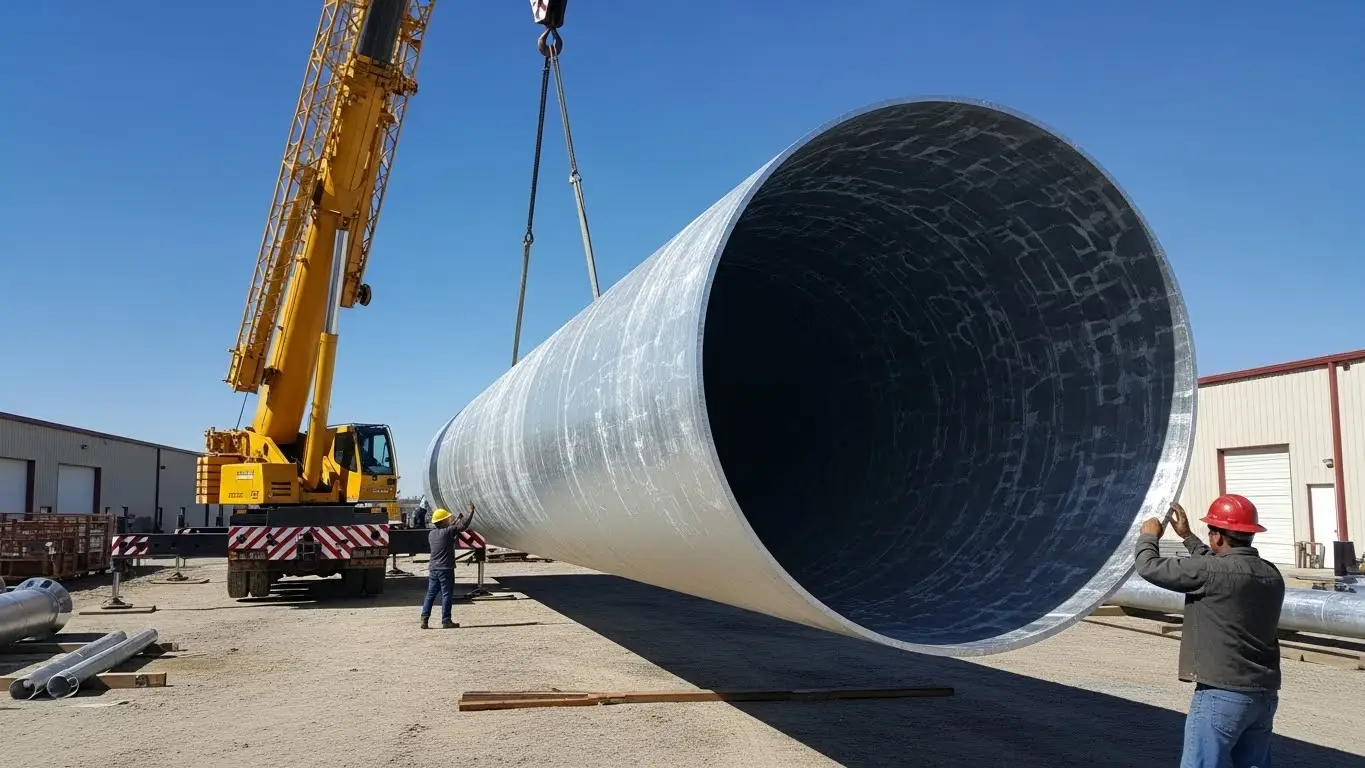
Modern 5G infrastructure often relies on Monopoles or 3-legged tubular towers.
- The Hidden Threat: Humidity can enter the inside of a tube through bolt holes or condensation.
- The Solution: Hot-dip galvanizing is the only process where the liquid zinc flows inside the tubes, coating the interior surfaces just as thoroughly as the exterior. Paint and spray-on galvanizing cannot reach these critical areas, leaving them vulnerable to "rotting from the inside out."
Standards You Must Know (ASTM vs. ISO)
To ensure you aren't getting a "flash coat," verify your tower meets these standards:
| Standard | Region | Requirement |
| ASTM A123 | USA/Americas | Minimum 85 µm (microns) thickness for structural steel > 6mm thick. |
| ISO 1461 | Europe/Global | Similar to A123; dictates coating mass (g/m²) and thickness based on steel gauge. |
| ASTM A153 | Global | Covers small hardware (nuts, bolts, step bolts). These are spun to remove excess zinc but must still be coated. |
Frequently Asked Questions
In rural environments, a standard 85-micron coating can last 50 to 80 years without maintenance. In harsh coastal or industrial zones (high salinity/sulfur), lifespan may reduce to 20-30 years unless a "Duplex System" (paint over galvanizing) is used.
Yes, but care must be taken. High-strength steels like Q460 used in mobile towers can be susceptible to "hydrogen embrittlement" if not pickled correctly. Experienced manufacturers bake the steel post-pickling to release trapped hydrogen.
This is often due to the steel chemistry (higher silicon/phosphorus) or a slower cooling rate. A dull grey coating is actually thicker and more protective than a shiny one, though less aesthetically pleasing. It is rarely a defect.
No. The process temperature (450°C) is well below the structural transformation point of steel. However, the mechanical properties remain unchanged, provided the steel was not cold-worked severely prior to dipping.
Welding burns off the zinc coating and releases toxic zinc oxide fumes. It is best to bolt galvanized sections. If welding is necessary, the zinc must be ground off first, and the weld area must be repaired with "cold galvanizing" (zinc-rich paint) immediately after.
Key Takeaways
- Sacrificial Shield: Zinc protects steel even when scratched, thanks to cathodic protection.
- Interior Coverage: HDG is the only method that protects the inside of hollow tower legs.
- Steel Chemistry: Silicon content in your Q345/Q235 steel determines coating quality—watch the Sandelin Curve.
- Longevity: Expect 50+ years of maintenance-free life in typical inland environments.
Conclusion
Hot-dip galvanizing is not an optional extra for telecom towers; it is the industry's primary insurance policy against structural collapse. By fusing zinc and steel at a molecular level, you create a composite material capable of withstanding decades of rain, wind, and neglect. When sourcing your next project, look beyond the price tag and verify the standards—because a cheap coating is the most expensive mistake you can make.
Ready to secure your infrastructure? Ensure your next rollout utilizes high-grade steel materials protected by ASTM-certified galvanization.

Hey, I’m Chunjian Shu
"X.Y. Tower: Reliable, innovative solutions for high-quality towers and electrical equipment with professional service.
