
What Maintenance Keeps Telecom Towers Reliable in Extreme Weather?
2025-12-13
To ensure reliability in extreme weather, telecom towers require a semi-annual maintenance protocol focusing on three critical areas: structural bolt re-tensioning (using the "Snug-Tight" verification method), inspection of hot-dip galvanizing for corrosion undercutting, and verifying foundation drainage to prevent soil liquefaction. Preventive reinforcement, such as upgrading steel grades for higher wind loads, is far more cost-effective than post-storm repairs.
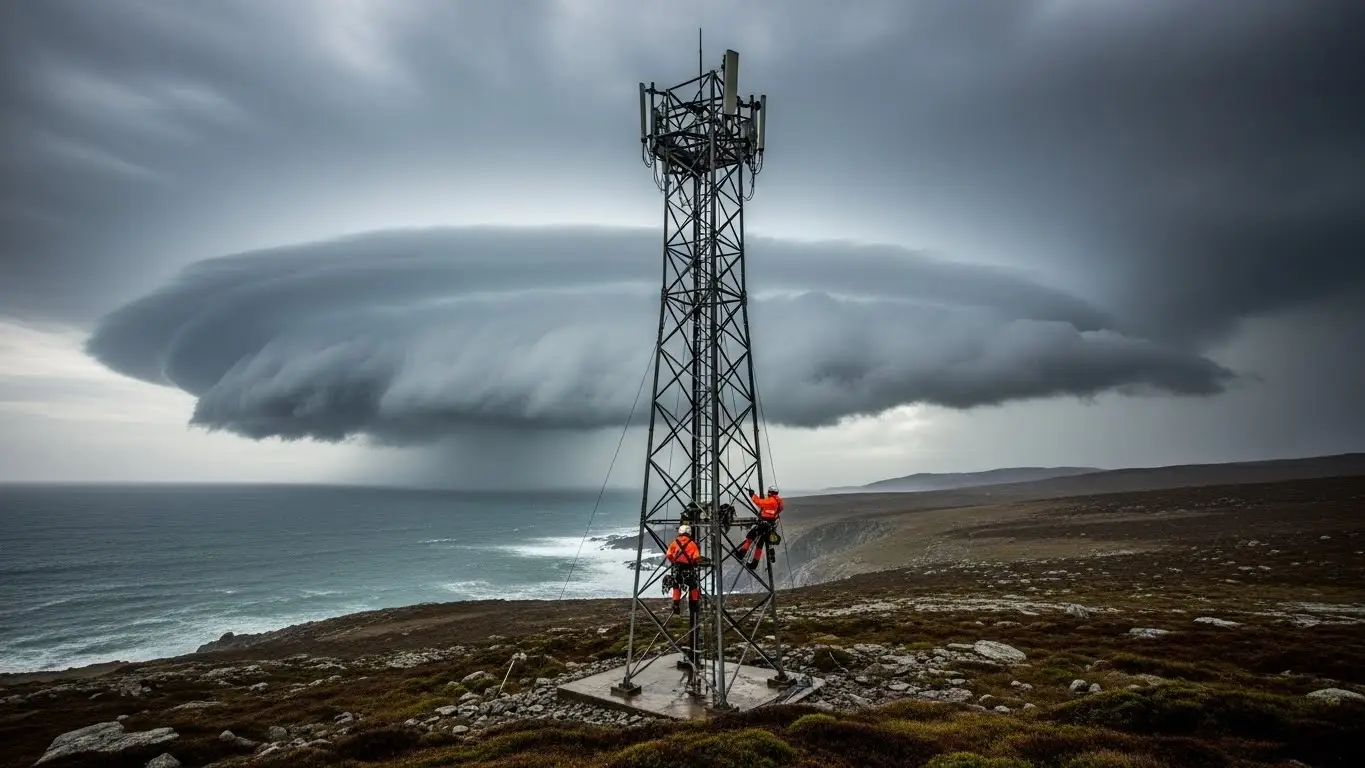
Why Do Towers Fail in Storms? (It’s Not Just Wind Speed)
Most people assume towers collapse because the wind blew too hard. In reality, 90% of failures are due to progressive fatigue, not instantaneous overload.
When a telecom tower is subjected to months of vibration, small defects multiply. A loose nut reduces the damping capacity of a joint. A scratch in the coating allows salt air to eat the steel. When the "big storm" finally hits, the structure is already compromised.
XYTOWER Field Insight: In our 2024 post-typhoon analysis in Southeast Asia, we found that 70% of tower damage started at "weep holes" that were clogged with debris, causing internal rust that weakened the legs from the inside out.
What Is the Essential Maintenance Checklist?
To keep your infrastructure standing, you need a rigorous inspection schedule. This isn't just looking at the tower; it's testing it.
1. Bolt Torque & Tensioning
Bolts loosen over time due to thermal expansion and wind vibration.
- The "Nut Check": Don't just look. Put a wrench on at least 10% of the bolts in every connection node.
- The Mark Method: After tightening, mark the nut and steel with a paint pen. If the lines don't match next year, the bolt is rotating.
- Critical Upgrade: If you find frequent loosening, consider upgrading to high-tensile steel bolts with locking washers.
2. Galvanization Integrity Audit
Hot-dip galvanizing is your shield. But even the best shield takes damage.
- Look for "Tea Staining": Light brown stains often indicate the zinc layer is thinning.
- Repair Protocol: If you see bare steel, do not use spray paint. Use Zinc-Rich Epoxy (Cold Galvanizing) that meets ASTM A780 standards. It must contain at least 92% zinc dust by weight.
3. Foundation & Drainage Check
Heavy rain causes soil liquefaction. A 50-meter tower is basically a giant lever; if the ground gets soft, the leverage will topple it.
- Clear Weep Holes: Ensure the small drainage holes at the base of tubular towers are not blocked by concrete or dirt.
- Check Grade: Ensure water flows away from the concrete pad, not pooling around it.
How Does Weather Specificity Change Maintenance?
Different climates kill towers in different ways. You cannot use a "one size fits all" maintenance plan.
For Coastal / Hurricane Zones (Salt & Wind)
- The Danger: Salt spray accelerates corrosion by 10x.
- The Fix: Increase inspection frequency to quarterly. Wash down the lower sections of the tower with fresh water to remove salt deposits.
- Material Note: XYTOWER recommends specifying thicker galvanization (100μm+) for these zones during the manufacturing phase.
For Ice / Cold Zones (Weight Load)
- The Danger: Radial ice accumulation adds tons of static weight.
- The Fix: Inspect horizontal bracing for bending. Install "ice shields" over sensitive microwave dishes.
- Steel Check: Ensure your tower uses Impact Tested Steel (Grade D/E) to prevent brittle fracture in sub-zero temps.
Can You Retrofit an Old Tower for New Extremes?
Yes, but you need to understand the structural limits.
Step 1: Structural Analysis Run a new load calculation using current TIA-222-H standards. Does the tower have "reserve capacity"?
Step 2: Reinforcement
- Leg Strengthening: Bolt additional angle iron to existing legs (called "sistering").
- Guy Wire Upgrade: Add a new level of guy wires to reduce the effective length of the mast sections.
- Swap Materials: Replace heavy steel ancillary mounts with aluminum components to reduce dead load on the structure.
XYTOWER Expert Tip: Strengthening a tower is cheaper than replacing it, but only if the foundation is sound. Always test concrete compressive strength before adding steel.
Step-by-Step: Post-Storm Recovery Guide
If a storm does hit, follow this protocol before turning the network back on.
- Drone Survey: Send a drone up first. Look for hanging debris or snapped cables that pose a risk to climbers.
- Verticality Check: Use a theodolite (surveyor's tool) to check if the tower is plumb. TIA standards typically allow for 0.25% deviation (e.g., 25cm lean on a 100m tower).
- Tension Verification: If it’s a guyed tower, measure the tension in every wire. Storms often stretch cables.
- ISO Documentation: Record all damage and repairs. This is crucial for insurance and maintaining ISO 9001 safety compliance.
Frequently Asked Questions
Ideally, never, if it is hot-dip galvanized. Galvanizing provides maintenance-free protection for 30–50 years. Painting is usually cosmetic or for aviation safety (orange/white). If you paint over galvanizing, you must use a "wash primer" or it will peel.
Tubular towers have small holes at the bottom of each section to let condensation escape. If these get plugged by bird nests or mud, water fills the leg and freezes, splitting the steel tube. Poke them clear during every inspection.
No. Field welding on a tower under load is extremely dangerous and destroys the galvanization. The standard repair is to bolt a "splice plate" over the damaged area.
Yes, but focused differently. For modular mobile towers, the primary maintenance is greasing the telescopic mechanism and checking the hydraulic fluid levels, as these are the moving parts that fail.
Key Takeaways
- Tighten the Bolts: Loose bolts are the #1 cause of fatigue failure. Mark them to monitor movement.
- Respect the Foundation: Water is the enemy of stability. Keep drainage clear.
- Galvanizing is Life: Repair scratches immediately with zinc-rich epoxy, not paint.
- Know Your Zone: Coastal towers need washing; ice zone towers need impact-tough steel.

Hey, I’m Chunjian Shu
"X.Y. Tower: Reliable, innovative solutions for high-quality towers and electrical equipment with professional service.
