
The Importance of 500kV Transmission Towers in Modern Power Networks
2026-02-24
The stability of electricity delivery requires an effective transmission backbone. The most important elements of such infrastructure are 500kV transmission towers. These elevated voltage systems allow bulk power to be transferred effectively over a long distance between the generation plants, cities, industries and regional grids. With the ongoing increase in the global energy demand, strategic importance of the 500kV tower systems has been on the rise.
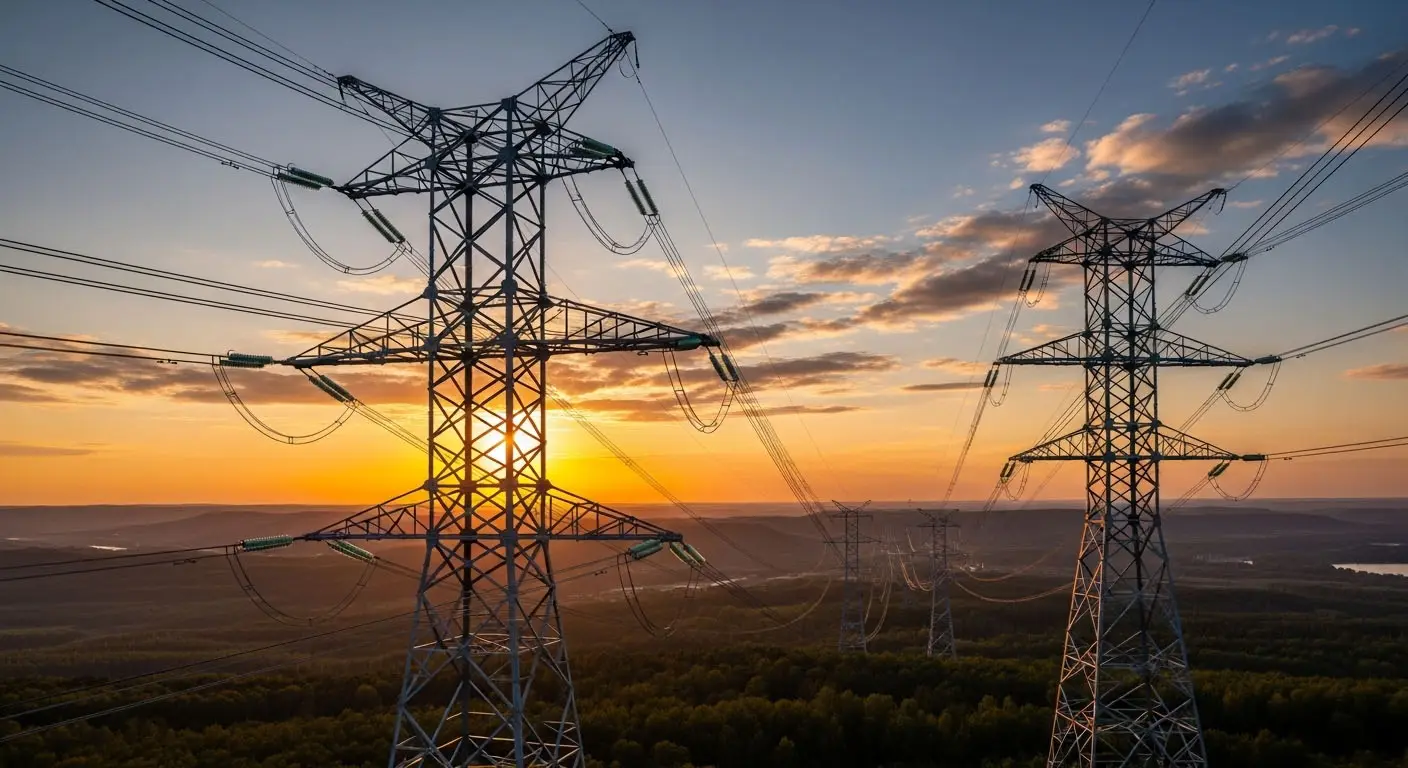
This paper describes the reasons why 500kV transmission towers are of importance, their design and their contribution to constructing resilient power networks.
What Is a 500kV Transmission Tower?
A 500kV transmission tower is a steel support tower designed to support extra-high-voltage (EHV) power lines. Its main purpose is to contain conductors at safe clearance and also to be mechanically stable at environmental and electrical loads.
A 500 kilovolts current also enables utilities to carry high capacities of electricity along a great distance with minimal energy loss. The increased voltage reduces the amount of current at the same power transfer that reduces resistive losses and increases overall efficiency.
Due to these strenuous circumstances, the design of tower should be able to fulfill the rigid requirements of engineering and safety.
Key Structural Features
1. Galvanized Steel Construction
Most 500kV towers use hot-dip galvanized steel. This material offers:
-
High tensile strength
-
Long service life
-
Strong corrosion resistance
-
Reliable performance in harsh climates
The zinc coating prevents rust on the steel and contributes to the tens of decades of outdoor service of towers and preserves the integrity of their structure.
2. Lattice Design Efficiency
The lattice form is extensively applied in 500kV tower since it provides a good strength to weight ratio. Lattice towers, as compared to solid:
-
Use less material
-
Reduce transportation costs
-
Simplify installation
-
Maintain high mechanical strength
This makes them a cost-effective solution for large-scale transmission projects.
3. High Mechanical Load Capacity
500kV lines carry heavy conductors and face strong environmental forces. Towers must resist:
-
Conductor tension
-
Wind pressure
-
Ice loading
-
Temperature variation
Strain towers, in particular, are engineered to handle significant mechanical stress at line angles and dead-end points.
Role in Long-Distance Power Transmission
One of the biggest advantages of 500kV infrastructure is its ability to move bulk electricity across regions.
Connecting Generation to Demand Centers
Power plants are often located far from major cities. High-voltage transmission towers bridge this gap by supporting lines that transport electricity from generation sites to load centers.
Without EHV networks, utilities would face:
-
Higher transmission losses
-
Limited transfer capacity
-
Increased generation redundancy
Supporting Interconnected Grids
In grid interconnection 500kV lines are in the center stage. They enable power to be distributed among regions and make it more reliable and permit utilities to be more effective in balancing supply and demand.
The modern power systems require this interconnectivity.
Enhancing Grid Reliability and Stability
Reducing Transmission Losses
Higher voltage means lower current for the same power transfer. This directly reduces I²R losses along the line, making 500kV systems highly efficient for long-distance transmission.
Improving System Resilience
Robust tower design helps the grid withstand extreme conditions such as:
-
Strong winds
-
Ice storms
-
Seismic activity
-
Temperature extremes
Proper tower placement and engineering ensure stable conductor clearance and minimize outage risks.
Enabling Redundancy
Double-circuit 500kV towers can carry two independent transmission lines. This configuration increases capacity and provides backup paths if one circuit experiences faults.
Supporting Renewable Energy Integration
The global shift toward renewable energy has increased the importance of high-voltage transmission.
Wind farms and solar plants are often located in remote areas. 500kV networks make it possible to:
-
Export renewable power over long distances
-
Connect remote generation sites
-
Balance variable energy output
-
Strengthen regional grid flexibility
Transmission towers therefore serve as a critical bridge between clean energy sources and end users.
Design Considerations for 500kV Towers
Engineering a 500kV tower requires careful planning across multiple factors.
Terrain and Geography
Tower type and foundation design vary depending on:
-
Mountainous areas
-
Plains
-
Coastal zones
-
Urban corridors
Modern tower systems can be adapted for different environments while maintaining structural safety.
Electrical Clearance Requirements
Higher voltage demands larger clearances between conductors and ground. Tower height and cross-arm spacing must comply with safety standards to prevent flashover and electromagnetic risks.
Environmental Loads
Designers must calculate:
-
Wind speed zones
-
Ice thickness
-
Temperature ranges
-
Seismic conditions
These parameters directly influence tower strength and geometry.
Maintenance and Lifecycle Value
Although 500kV towers are built for long service life, proper maintenance remains essential.
Routine Inspection
Utilities typically perform:
-
Visual inspections
-
Thermal imaging
-
Bolt torque checks
-
Corrosion monitoring
Regular inspection helps detect early issues and prevent unexpected outages.
Long Service Life
With proper galvanization and maintenance, transmission towers can operate reliably for several decades. Their durability makes them a high-value investment for power infrastructure.
Economic and Social Impact
Beyond engineering benefits, 500kV transmission towers contribute significantly to economic development.
Expanding Power Access
High-voltage networks enable electricity to reach remote and rural regions, supporting industrial growth and improving living standards.
Supporting Industrial Growth
Stable bulk power transmission is essential for:
-
Manufacturing zones
-
Data centers
-
Mining operations
-
Urban expansion
Reliable infrastructure attracts investment and strengthens regional economies.
Future Trends in 500kV Transmission Towers
The transmission sector continues to evolve. Key trends include:
-
Advanced high-strength steel materials
-
Digital monitoring systems
-
Smart grid integration
-
Compact tower designs
-
Improved corrosion protection
As electricity demand rises worldwide, utilities will continue investing in high-capacity transmission corridors.
Conclusion
The modern power systems are made up of 500kV transmission towers. This is due to their capability to carry extra-high-voltage lines thus facilitating effective delivery of electricity over long distances, enhancing grid reliability, and renewable energy growth.
Since galvanized steel is used to build them to the latest lattice engineering, all of these towers are designed to be long-lasting, safe, and performance-oriented. The strategic significance of sound 500kV transmission infrastructure will only keep on increasing as the world is rapidly electrified.
Investing in 500kV tower systems, properly designed, is one of the most efficient methods of making the grid stable and maintaining energy security in the long run as a method in the planning of utility-scale power projects by developers.

Hey, I’m Chunjian Shu
"X.Y. Tower: Reliable, innovative solutions for high-quality towers and electrical equipment with professional service.
