
High-Quality Transmission Towers: Reliable, Durable, and Efficient Power Transmission
2026-02-24
Power systems that run electricity are based on robust and reliable infrastructure to supply electricity over a long distance. High-quality transmission towers are some of the most important elements of this network. Overhead power lines are supported by these structures to enable the safety of the flow of electricity being generated at the facilities to the homes, businesses, and industrial users.
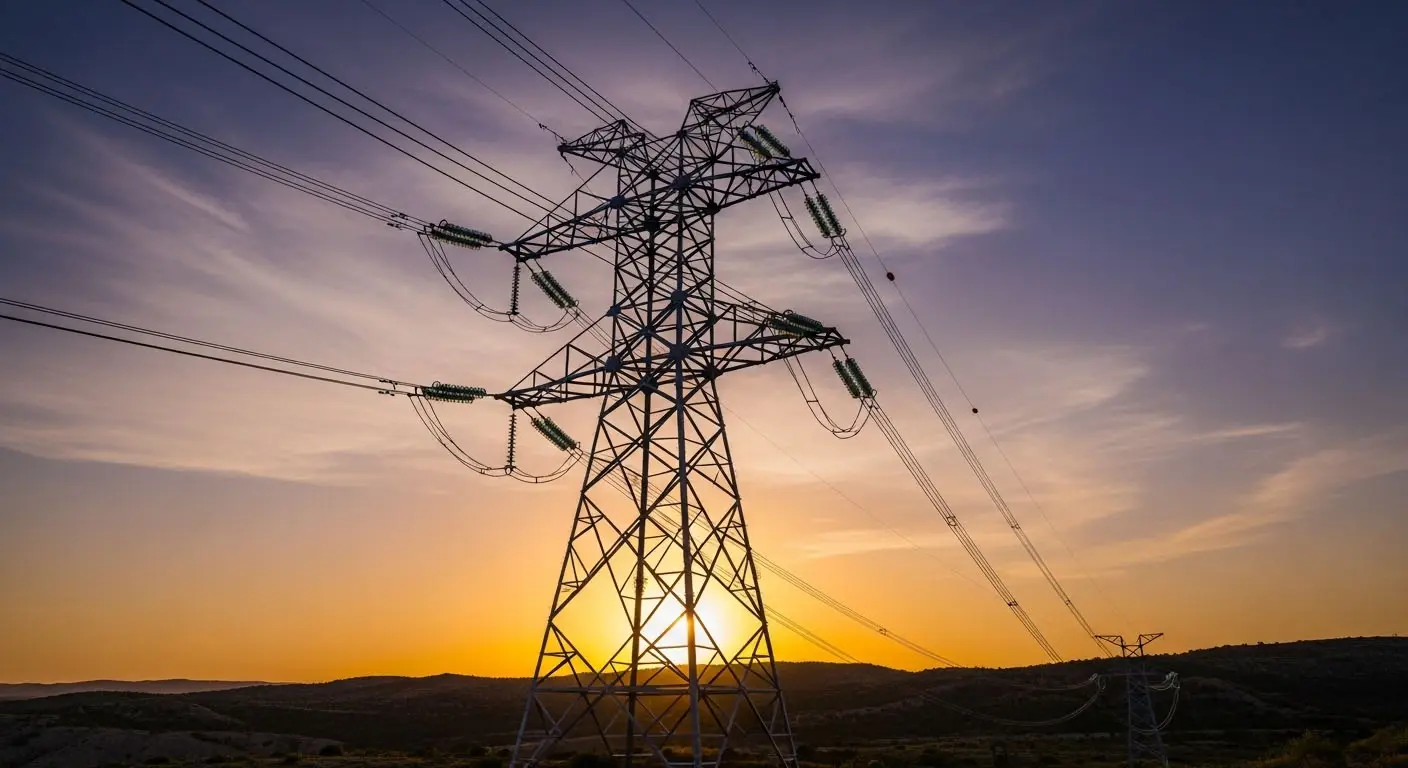
With the increasing demand of energy across the globe, utilities and EPC contractors are more concerned with reliability, structural stability and long term performance of the tower. This paper examines why it is important to have good transmission towers, the characteristics of good designs, and the impact that it has on effective power delivery.
The Role of Transmission Towers in Power Networks
The high-voltage overhead lines are based on transmission towers. They are mainly used to support conductors to safe heights and to provide the appropriate tension and alignment to conductors over different terrains.
These towers also enable electricity to move efficiently in long distances with limited inconvenience by raising the lines on the ground and barriers. They also assist in maintaining grid stability such as maintaining the conductors spacing and insulating.
The current electrical grids would be prone to persistent power outages, safety hazards, and low transmission efficiency without the presence of strong transmission towers.
What Defines a High-Quality Transmission Tower?
Towers do not provide equal performance. There are quite a number of characteristics that are common in high-quality transmission towers that guarantee reliability and longevity in harsh conditions.
Premium Structural Materials
The high strength steels that are used by leading manufacturers like Q235B and Q355B are to ensure high load bearing capacity and structural stability. Such materials assist in the strength of towers against wind, ice and mechanical forces during their operation.
Quality raw materials form the foundation of long-term tower performance.
Hot-Dip Galvanized Protection
Corrosion resistance is essential for outdoor power infrastructure. High-quality towers typically undergo hot-dip galvanizing, which creates a protective zinc layer over the steel surface.
This process provides:
-
Strong rust resistance
-
Extended service life
-
Lower maintenance needs
-
Reliable performance in coastal or humid regions
Galvanization remains the industry standard for transmission tower protection.
Optimized Lattice or Tubular Design
Modern transmission towers commonly use lattice or tubular configurations. A lattice tower is a freestanding framework structure that offers strong shear strength while maintaining relatively low weight and wind resistance.
Design optimization delivers:
-
High strength-to-weight ratio
-
Reduced material usage
-
Easier transportation
-
Improved structural stability
The choice between lattice and monopole designs depends on project requirements and site conditions.
Types of Transmission Towers
High-quality manufacturers produce multiple tower types to meet different transmission needs.
Suspension Towers
These towers support conductors along straight transmission routes. They carry vertical loads and maintain proper conductor spacing.
Strain (Tension) Towers
Installed at line angles or terminal points, strain towers handle significant longitudinal forces caused by conductor tension.
Transposition Towers
These specialized towers allow phase conductors to swap positions along the line, helping maintain balanced electrical characteristics and improving system performance.
Monopole Towers
Single-pole tubular structures are widely used in urban environments where space is limited and visual impact must be minimized.
Engineering for Harsh Environments
Transmission towers operate in some of the most demanding outdoor conditions. High-quality designs must address multiple environmental factors.
Wind Resistance
Towers are engineered using regional wind speed data to ensure stability during storms and extreme weather.
Ice and Snow Loading
In cold climates, ice accumulation can significantly increase conductor weight. Proper structural design ensures the tower can safely handle these additional loads.
Seismic Considerations
In earthquake-prone regions, tower geometry and foundation design must accommodate ground motion to maintain system integrity.
Terrain Adaptability
Transmission lines often cross:
-
Mountains
-
Rivers
-
Valleys
-
Urban corridors
Flexible tower designs allow safe installation across diverse landscapes.
Benefits of High-Quality Transmission Towers
Improved Grid Reliability
Well-engineered towers reduce the risk of structural failure and line outages. This directly supports stable electricity supply for utilities and end users.
Lower Lifecycle Costs
Although premium towers may have higher upfront costs, they typically deliver:
-
Longer service life
-
Reduced maintenance
-
Fewer emergency repairs
-
Better return on investment
Enhanced Safety Performance
Proper tower design ensures safe electrical clearances, reliable grounding, and secure hardware connections, protecting both infrastructure and personnel.
Efficient Power Delivery
High-quality towers maintain correct conductor geometry and tension, which helps minimize transmission losses and improve overall network efficiency.
Manufacturing Excellence Matters
The performance of a transmission tower depends heavily on manufacturing quality. Leading suppliers focus on:
-
Precision CNC fabrication
-
Robotic or controlled welding
-
Strict raw material inspection
-
Full-process quality control
-
Compliance with ISO and IEC standards
These practices ensure each tower meets demanding utility requirements and performs reliably in the field.
Companies with extensive project experience and large-scale production capacity are often better positioned to support major grid expansion programs.
Applications Across the Power Sector
High-quality transmission towers are used in a wide range of power infrastructure projects, including:
-
High-voltage transmission lines
-
Extra-high-voltage (EHV) corridors
-
Renewable energy grid connections
-
Cross-river or long-span crossings
-
Urban power distribution networks
-
Industrial power supply systems
Their versatility makes them essential components of modern energy systems.
Future Trends in Transmission Tower Design
As power networks evolve, transmission tower technology continues to advance. Key trends include:
-
Higher-strength steel materials
-
Digital structural monitoring
-
Compact urban tower designs
-
Improved anti-corrosion coatings
-
Smart grid integration
These innovations aim to improve reliability while reducing installation and maintenance costs.
Conclusion
Good transmission towers are the basis of effective and good transmission of power. They are constructed using high-quality materials and designed to withstand the best needs, and it is due to this feature that the movement of electricity over long distances is safe.
Since lattice designs to current monopole designs, the right tower solution provides grid stability, minimizes operational risk and provides long-term value to utilities and developers of infrastructure.
With the world growing and adopting electrification at a rapid pace, the need to invest in well-designed, high-performance transmission towers will continue to be the key to creating robust and future-proof power networks.

Hey, I’m Chunjian Shu
"X.Y. Tower: Reliable, innovative solutions for high-quality towers and electrical equipment with professional service.
