
How to Specify Angle Steel Towers Across a Transmission Route
2026-10-19
One rarely requires a tower to be repeated throughout an entire transmission project. What each position requires is different due to changes of direction, conductor tension, and terrain and foundation conditions. Thus, the process for a utility procurement team to purchase angle steel towers starts with a tower schedule rather than a single height or price/ton.
This guide is a process of one project from route information to delivered tower bundles. It is authored for buyers of utility materials, EPC groups and engineers, who have to make requirements for design, manufacture and erection align before steel is delivered to site.
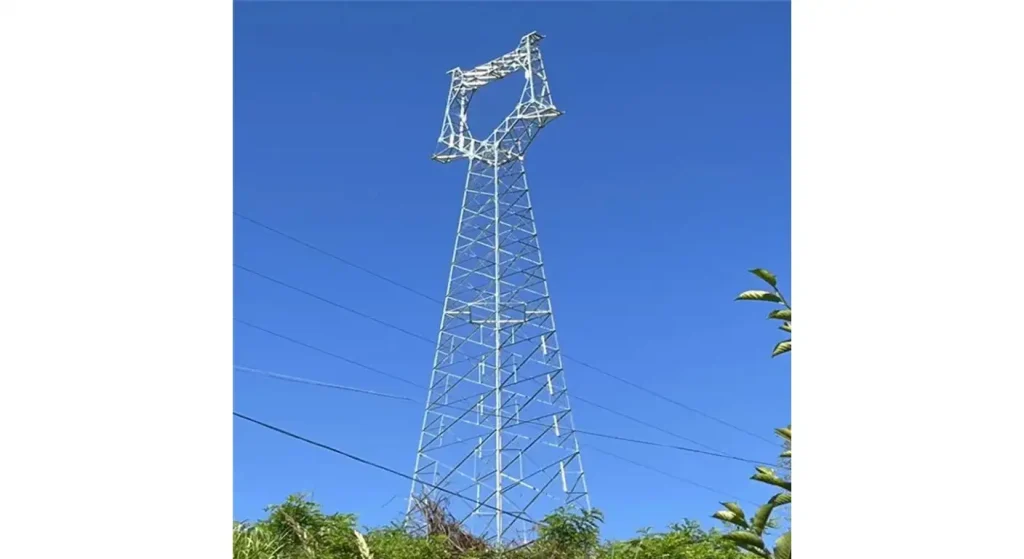
Establish the "What Each Tower Position Must Do"
Begin the line route from the approved route and use a separate number for each proposed tower. Write down the tower function, line angle, conductor configuration, ground clearance, access conditions and foundation interface for each of the positions. Governing loads and design criteria should be provided by the project engineer.
A straight-line support position and a location where the line changes direction are not synonymous. Towers of the same overall height can be made from varying members and connections. On the page of high-voltage steel transmission tower, X.Y. Tower introduces angle transmission tower as a product that can be customized, and lists the voltage, material and surface treatment and other specifications. Those product ranges are not in place of a design for a specific route.
Convert route information into a tower schedule controlled.
The schedule must be able to link each position to the approved tower type, extension, leg configuration, drawing revision, and foundation. It then becomes the common reference for the engineering, the factory and the shipping and the erection contractor.
Keep revisions visible. When the foundations or clearances are altered upon issuance of drawings, determine the tower positions and fabricated parts that are affected. A new drawing, which is not shown on the purchase schedule may result in the production of a tower that is not suitable for the site condition.
For those projects that are not yet at the point of structural development, establish the engineering responsibility and drawing approval procedure prior to releasing fabrication. In addition to the manufacturing services, X.Y. Tower offers services in tower design; you can specify in the contract who will approve the final design of the project.
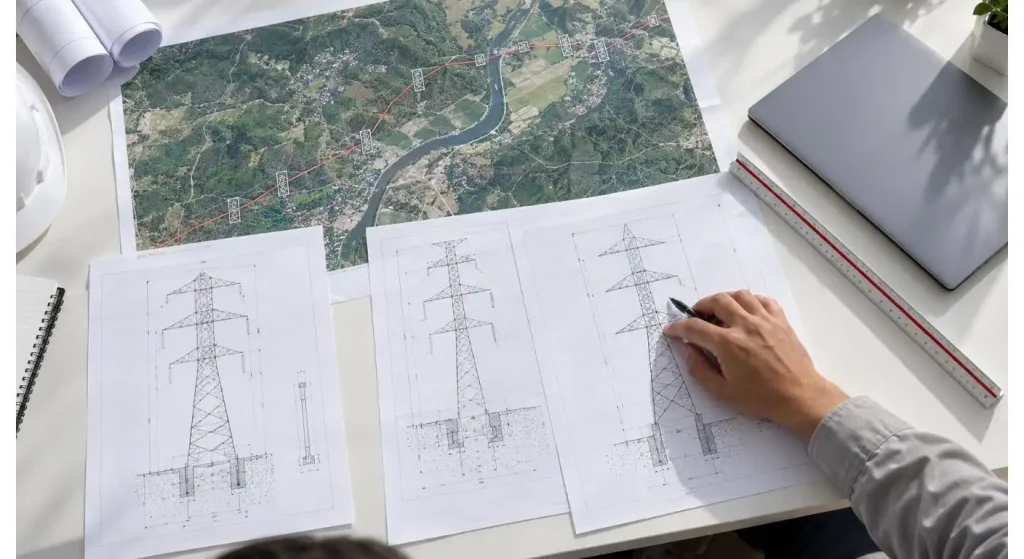
Loads and Interfaces Together (SIT)
Do not provide only the sought steel grade to the tower supplier. The structure is determined by wind, ice (where applicable), conductor and ground-wire loading, line angle and clearances. The project code, as well as the client's requirements, should also be specified.
The main tower body is not the only part of a tower that needs careful consideration; the interfaces demand it as well. Verify foundation connection, cross arm configuration, insulator mounting points and grounding facilities and any project climbing or anti-climbing hardware. Another pitfall at an interface is that an omission can go undetected until the structure is erected, at which time a missing small component can hold up a whole structure.
Select Material and Corrosion Protection for the Project
Identify member/component specific approved steel grades as per the design and require traceability of material through fabrication. The raw material selection of X.Y. Tower's high voltage transmission tower includes Q235B, Q355B and Q420B. The engineer will make a determination as to the proper grade for each approved use.
In the purchase specification, make sure to specify the galvanizing requirements such as the standard to be used, how damage to the coating will be inspected and treated. Also indicate if route has exposures that require additional project specific exposures. On its About Us page, X.Y. Tower provides details of its own galvanizing facilities and manufacturing equipment; ask for these for the specific order placed.
Test for FIT before releasing Full PRODUCTION.
Identify a representative tower/critical section for trial assembly as required by the contract. Inspect for proper member alignment, holes, connection plates and bolts in accordance with approved drawings. Test for extensions or interfaces that are not typical, in addition to the simplest configuration.
Document the nonconformities and approve the correction of drawings or processes before making the correction to the remainder of the order. A factory fit check is most useful if it helps to avoid a reoccurring fit problem in dozens of tower positions.
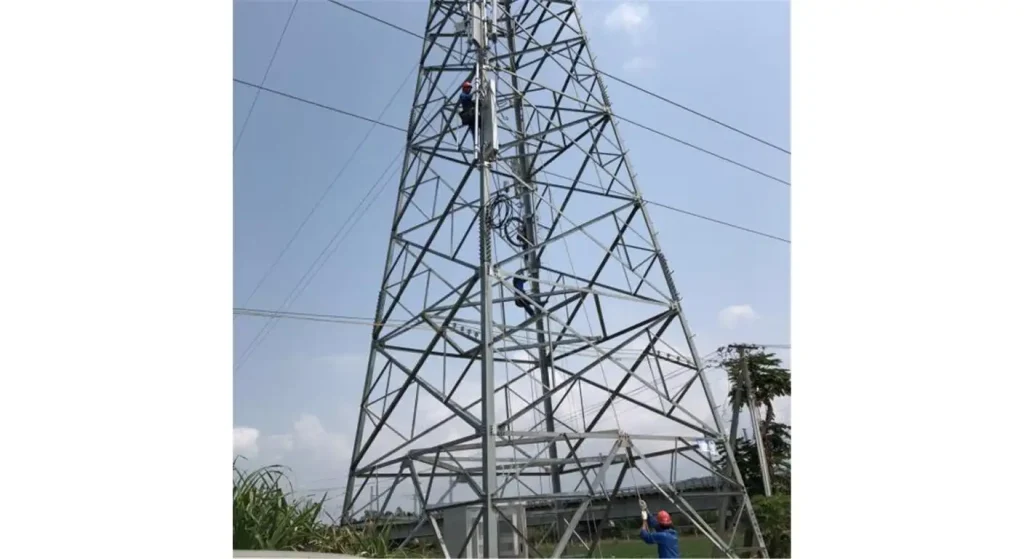
Attach the tower numbers to the Inspection Records.
A general factory certificate does not provide the site team with any information with regards to members who belong to a specific tower. Develop linkage between material certs, fabrication checks, galvanizing results, packing records and drawing revisions and tower marks.
| Project record | Prepared or confirmed by | Used to verify |
| Approved tower schedule | Project engineering team | Correct tower type at each position |
| Drawing revision register | Design authority and manufacturer | Fabrication uses current drawings |
| Material and coating records | Manufacturer | Supplied members meet the order specification |
| Trial-assembly report | Manufacturer and agreed inspector | Critical sections fit before release |
| Bundle list by tower number | Manufacturer and logistics team | Site receives identifiable erection sets |
It should be easy to review the inspection package. Buyer must verify that the design accepted was manufactured, checked and identified for shipment. X.Y. Tower provides automated angle-steel lines, punching equipment and coating-thickness gauges in its facilities; specify the inspection evidence for this particular order, instead of just a general equipment list.
Consider that the delivery is scheduled around the time of the erection.
Find out from the erection contractor where the towers must be first placed. The first necessary shipment could very well be different from the tower order as dictated by numbers due to road access, foundations readiness, and crew sequence.
Package and label materials to be used so that crews know which members and bolts to use and don't have to open up every package. The packing list should indicate: Tower number, Tower type, Drawing revision, Bundle mark, Quantities. Small connection items to be kept in a way to be clearly identified from the structures. If design, construction or installation support is part of the contract, coordinate the handover with the wider scope of the transmission line services.
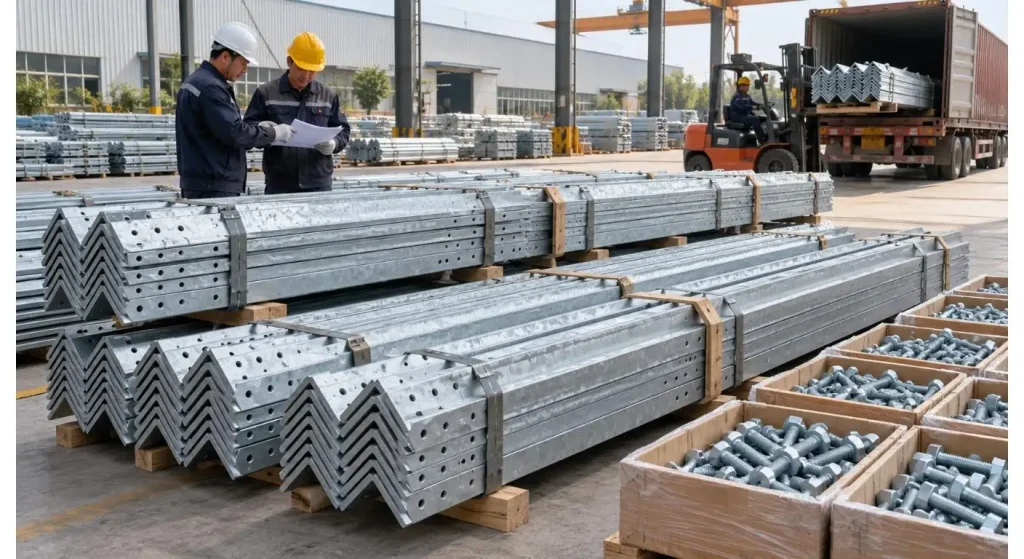
Make the Supplier Enquiry Project-Specific.
A useful enquiry includes the tower schedule, sketches (approved or preliminary), the design basis, material and coating specifications, and estimates of quantities and requested delivery schedule. Identify documents that are ready to be fabricated and those that require engineering approval.
Ask for a quote which will list all the bolts and accessories, inspection/trial assembly scope, drawing responsibilities, and lots of packaging and shipment. This makes it easy for buyers to compare offers, rather than trying to compare prices for different towers.
Conclusion
Angle steel towers should be purchased as a position in a transmission line, and have a specific structural role and a specific interface to the site. The controlled tower schedule is a link between route design and fabrication, inspection and delivery. When all those records move with the material to site, the erection team knows what they need to put in place and if there are discrepancies in the data they can fix it before it becomes a delay.
FAQs
Q1. What are the differences between angle steel towers that are on the same line?
Usually not. The Tower function, loads and extensions required may differ from position to position.
Q2. Does height of a tower provide sufficient information for a quotation?
No. Design basis, tower schedule, drawing, interfaces and project requirements are also required.
Q3. Why ask to have a trial assembly?
Helps to verify that important members and connections are in place prior to full production. Agree on its scope in the inspection plan.
Q4. Which of the following should be labelled on a tower bundle?
It must link the bundle to a tower number, or type and an approved packing record. Section & Drawing information may be required for the project.
Q5. Why is it necessary for the delivery plan to be according to the erection sequence?
Crews and foundations may be set up in a sequence other than that of the tower numbers. Advance shipment of required towers can help to ensure that material will be in place at the proper time for tower erection.

Hey, I’m Chunjian Shu
"X.Y. Tower: Reliable, innovative solutions for high-quality towers and electrical equipment with professional service.
