
How to Specify a Base Station Tower for Current and Future Equipment
2026-10-20
A base station may be on target for coverage on opening day, and a few years later upgrade becomes a challenge. Extra space and structural strength might be needed for extra antennas, remote radio units and cabling that were not specified in the original tower brief. The tower must then be specified around an equipment plan, not just by the height, to the network deployment teams.
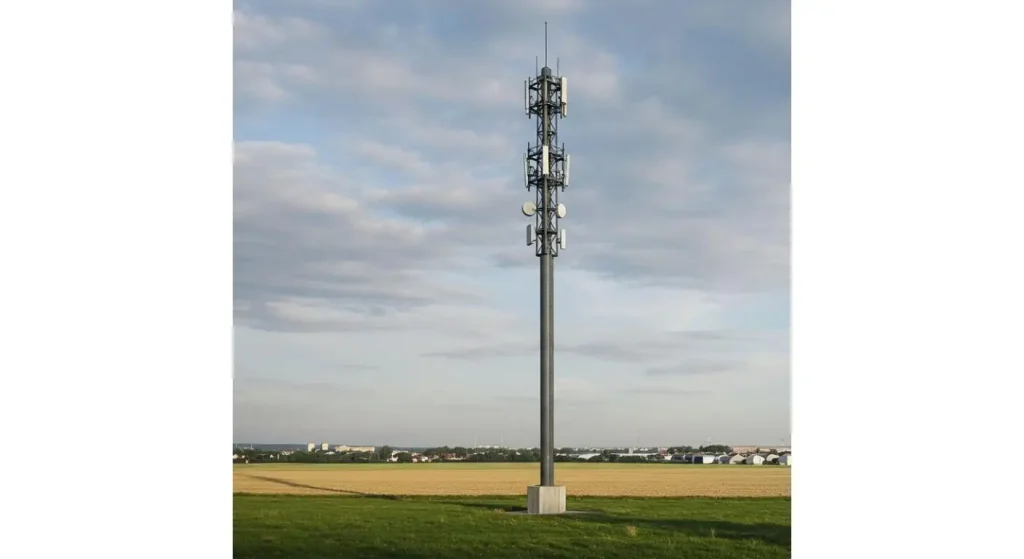
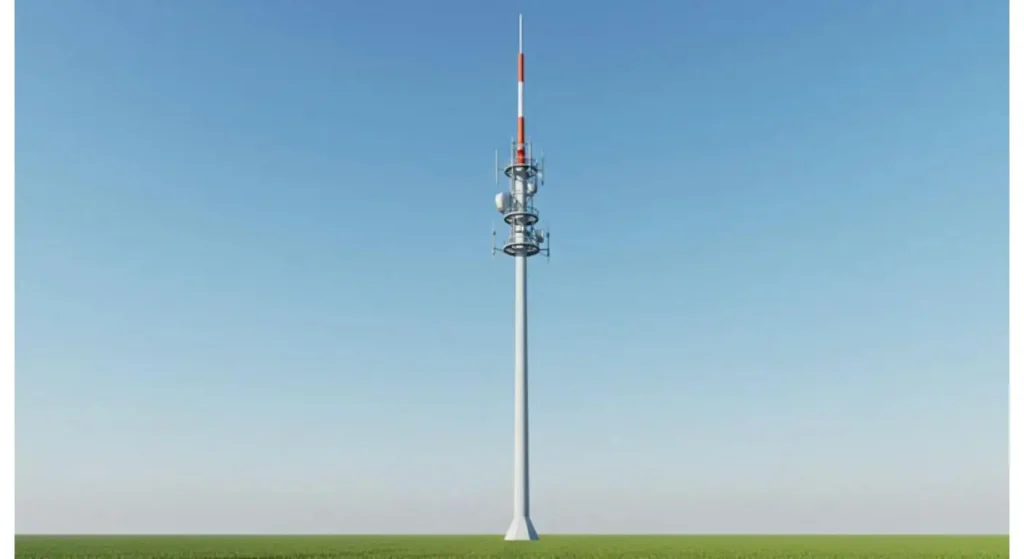
In this article, we will place our emphasis on X.Y. Tower, which serves as a base station structure for space-constrained sites, and which has a monopole structure with a height of 30m. The product page features a description of a monopole, galvanized, sectional, which is used for wireless communication, such as 4G and 5G base stations. The specific project design will still be based on the site, equipment installed and requirements. Galvanized Steel for telecom is made of high strength steel.
Get started with the Coverage and Site Brief
Establish the necessary antenna elevation, sector layout and any microwave link before requesting the price of a tower. The proposed location and direction of the antennas should be determined by the radio planning team, and the loads determined by the structural team.
Record site boundary, access, adjacent buildings, and site available for construction. The narrow footprint of a monopole may be ideal for a small parcel in the urban environment, but the project also needs to consider the foundation, installation equipment, cabinets and access for maintenance. The 30m monopole tower is a compact solution for wireless sites in urban and suburban locations, according to X.Y. Tower.
Develop an Equipment Schedule Pre Structural Design
Make a list of all of the items that will be proposed for the tower: antennas, radio units, microwave dishes (if necessary), brackets, platforms, and cable runs. Write down the weight, dimensions, mounting elevation and area of each item that is exposed to the wind. Determine what should go in the initial install and what can be done in a later install.
Future capacity should not be presented as a ‘promise’ of ‘upgradeable’ tower but as an allowance. The loading and space requirement around existing equipment may be modified by a second operator or new type of antenna. Check proposed set up with tower engineer prior to approving fabrication.
Analyze and solve the problems of antenna positions and mounting interfaces.
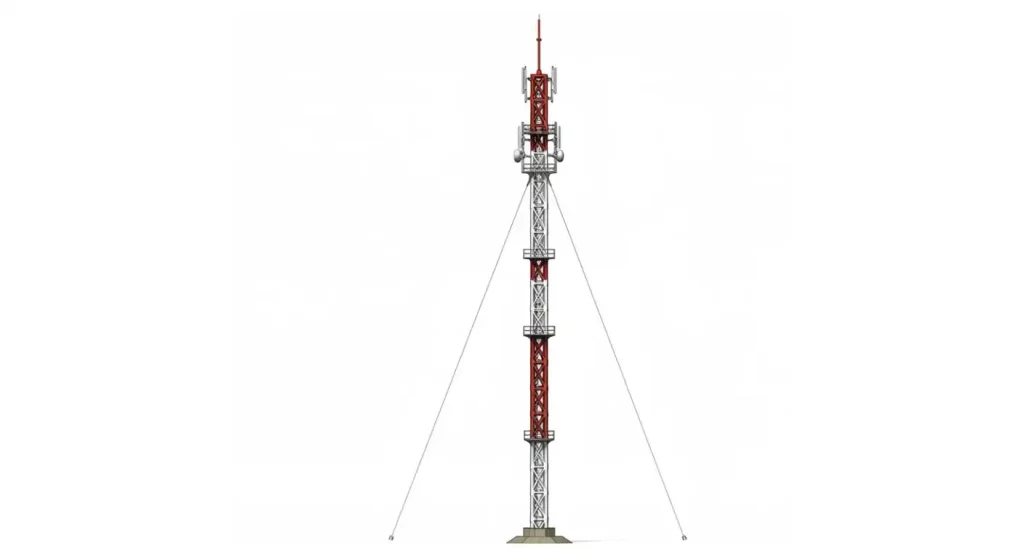
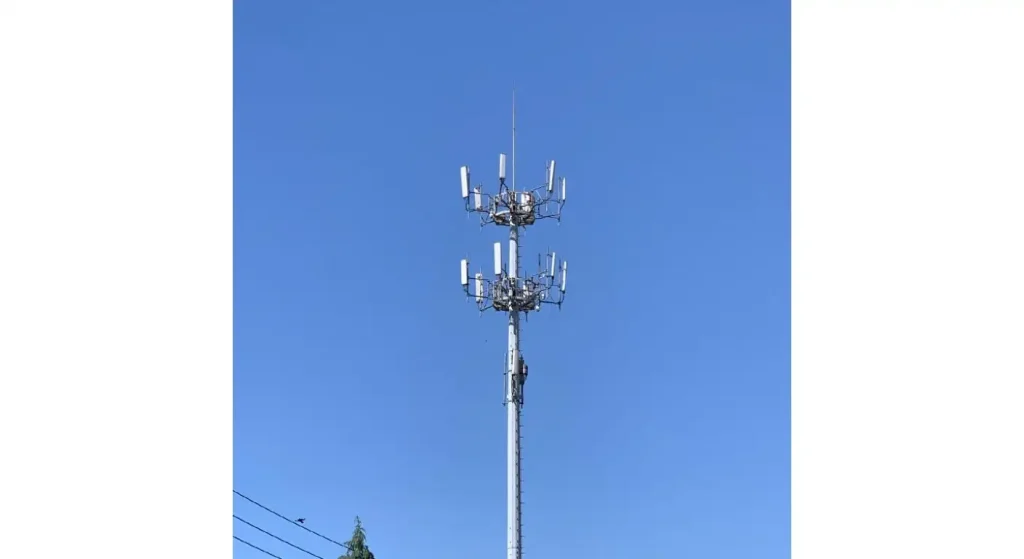
Mounting position should be suitable for the radio design and steel structure. Check antenna direction, spacing and if brackets are necessary for the spacing. Ensure installation crew is able to access connection points without interfering with existing equipment.
Memorial's booklet "How to Mount Antennas on a Monopole" covers various types of antennas and mounting equipment. Based on the actual antenna schedule of the project, define the bracket dimensions, the number and interface of the bolts in the tower order.
Check the Site Loads and Foundation Interface
The site engineer should supply the wind conditions, seismic and other design conditions as applicable. The equipment load at varying elevations is also different and thus the total equipment weight is not enough. Request that the structural designer evaluate the current and reserved configurations approved.
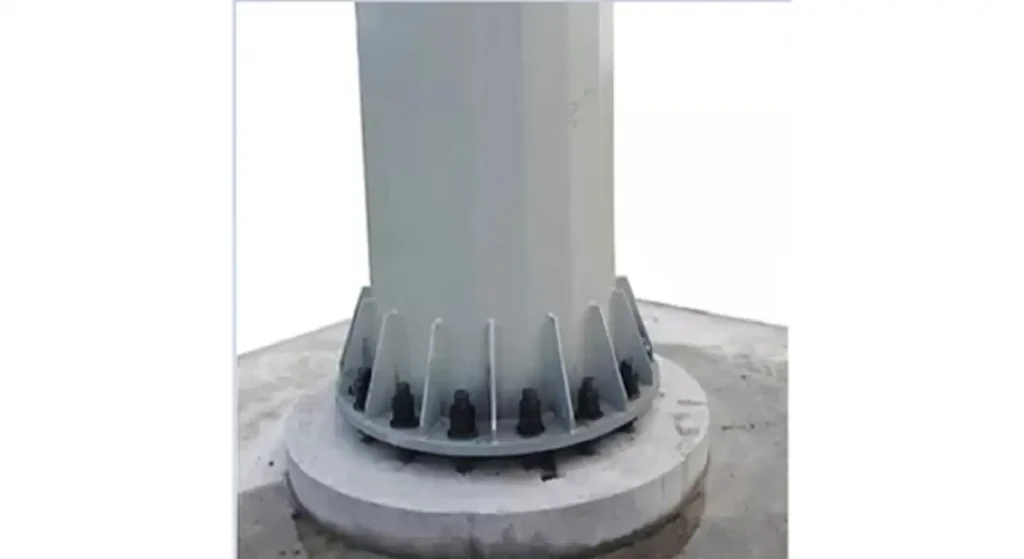
The foundation design also requires information about the site, such as the geotechnical results and the allowable construction area. Verify as a single interface, the pole base, anchor arrangement and foundation drawings. A typical product description can't determine if a specific foundation is applicable to a given site.
Plan Cables & Maintenance Access
Determine power and data cable entry points, runs up the tower and to each equipment level. Allow for the approved cable routes and planned expansion. Sometimes a suitable antenna position is hard to use due to poorly coordinated cable paths.
Access for maintenance should be considered prior to freezing the arrangement. Determine how to access the antennas and the radio units, the work area needed at each level, and site-specific access. Design these in and don't leave them up to improvisation when they are being installed.
| Project input | Responsible team | Required before |
| Antenna positions and reserved equipment schedule | Radio planning | Structural design approval |
| Equipment weights, dimensions and wind-exposed areas | Equipment supplier / radio team | Load assessment |
| Ground investigation and site boundary | Civil team | Foundation design |
| Mount, cable and access drawings | Tower designer / radio team | Fabrication release |
| Lifting access and installation sequence | Construction team | Shipment to site |
Perform Delivered Tower, complete system inspection
More than pole sections are included with a base station shipment. Review packing list to see that approved antenna mounts, connection hardware, access components and other accessories listed are included. Correlate the items delivered to the drawing revision and component marks.
Measure important dimensions and connection interfaces prior to erection. Check the hot dip galvanizing finish required, and confirm the condition of the coating for the order; for the monopole of X.Y. Tower, the hot dip galvanizing is shown. Resolve against controlled drawings discrepancies with parts prior to installation if any parts are missing or differ from the approved arrangement.
Stage set up of surrounding areas for readiness.
Before the Tower arrives ensure access and foundation works / lifting arrangements are in place. Even a sectional monopole requires an installation scheme for the transportation, unloading, lifting and connecting of the sections. Please observe local guidelines regarding work area and delivery hours.
Handover sequence should be agreed upon between the civil, tower and radio teams. The tower needs to be erected and interfaces as specified need to be accepted before equipment installation. X.Y. Tower also specifies the telecom tower services that include telecom tower designing for wireless application; make precise engineering and site job in the contract.
Set a Clear Rule for the Later Upgrades
Maintain an acceptable documentation of equipment installed at commissioning including elevations, mounting details and cable routing. Review each proposed piece of equipment against the Reserve Equipment Schedule. If upgrade is outside of that timeline or is different structure/interface, request a new structural and interface review prior to work.
This will safeguard the worth of the original design. Documented, accessible capacity that is related to accepted loading assumptions is more valuable than an unquantifiable statement of future flexibility.
Complete Supplier Enquiry
Submitt the site location, proposed 30m tower arrangement, equipment schedule, design criteria, foundation interface and foundation coating requirements. Differentiate between current and reserved equipment. Ask for drawings detailing the mounting positions and cable runs and access arrangements.
The quotation should make a distinction between Tower steel and mounts, platforms, fasteners and installation support. Onsite, request inspection documents and packing information. A comprehensive enquiry enables the suppliers to price the exact same scope and provides a result for the deployment team to check off.
Conclusion
Not just a stand-alone steel tower, it is a base station site. In the case of a 30m monopole, establish the equipment layout first, identify interfaces with structures and foundations and allow for future capacity in measurable terms. That means the construction team has a site ready to build, and the network team has a better idea of what changes they'll be able to make later.
FAQs
Q1. Will a 30m monopole work for all base station sites?
No. The equipment loads, site conditions and local requirements and the required antenna elevation must be evaluated for each site.
Q2. Which equipment data to be transmitted to the tower supplier?
Specify dimensions, weight, mounting height and wind exposed area of existing and future equipment. Add in any suggested bracket and cable setup.
Q3. If a narrow tower footprint, does this mean a no space requirement for the foundations?
No. The only thing that needs to be added to the site is a foundation for the ground conditions and loads for the towers, and space for installation and access.
Q4. Are there possibilities to add antennas at a later stage without further review?
Addition is only permitted within the allowed design and equipment addition. Changes not in the scope require engineering review.
Q5. What are the items to check when tower is delivered?
Identify parts/sections, mount/fastener and accessories to approved drawings and packing list. Check specific interfaces and coating prior to erection.

Hey, I’m Chunjian Shu
"X.Y. Tower: Reliable, innovative solutions for high-quality towers and electrical equipment with professional service.
