
Planning Corrosion Protection for a Long-Service Transmission Tower
2026-10-20
Even if a transmission tower comes out of the factory with a zinc finish, it begins to be exposed long before the first inspection for maintenance. The nooks and crannies, which are the most difficult to inspect from the ground, can be influenced by shipping contact, years of salt or industrial deposits, or site assembly.
Therefore, an anti-corrosion tower is a tower that has a protection plan that can be checked and maintained, for the utility asset managers and the project buyers. In this article, X.Y. Tower's high-voltage steel transmission tower, which X.Y. Tower offers with a hot dip galvanized finish, will be the focus. The goal is to track procurement data and tie it into the inspections that the owner requires after commissioning.
Create a map of Exposure Along the Route
Firstly, determine the location for the tower. Different conditions may be present for steel that is exposed to a coastal section, to a persistently wet valley and to an industrial corridor. Take note of any areas where the effects of salt deposits, contamination, vegetation or moisture may require more frequent inspection or cleaning.
Don't take one maintenance requirement for all of the towers because they are built the same. Keep an eye on the towers with more difficult exposure and make notes in the asset register. This makes it possible to relate the inspection frequency and results to a real structure.
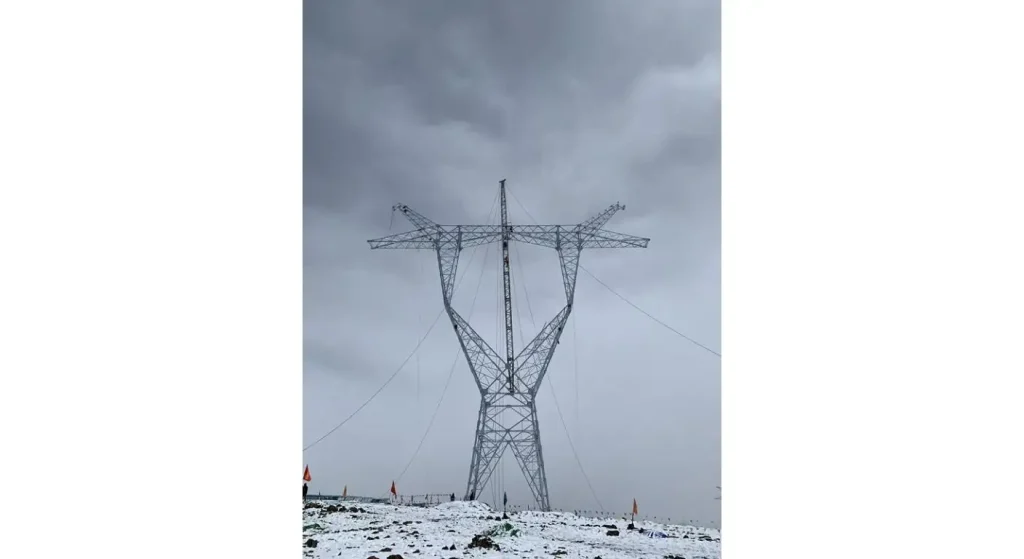
Select a Protection Specification that can be Checked.
Determine the coating standard and acceptance limits, inspection points and records prior to production. According to the product page, X.Y. Tower's high-voltage transmission tower adopts hot dip galvanizing and the average thickness of zinc layer is 86µm. Always read this as a product offer detail, NOT as a requirement or guaranteed service life for each site. The specification for the project should be based on the exposure of the project and requirements.
Decide how the thickness and condition of the coating will be measured, what parts will be sampled and how any parts that do not meet the specification will be documented. Ask for the results per production lot or other traceable identifier to associate with the material that is delivered on the tower.
Think outside the Tower Legs
Members, connection plates, bolts and attachments all have an impact on the ability to maintain the assembled tower. Determine surfaces that can harbor water, or create areas that are difficult to reach after construction. Ensure that protection is provided for specified fasteners and accessories as per project requirements.
Pay special attention to interfaces where components interface such as leg connections and cross arm attachments. Assembled components, as well as individual galvanized components, should be outlined in a complete inspection plan. The owner must be informed of what the supply was and where it was installed.
Finish Protection during Transport and Erection
One of the checkpoints is a factory inspection. During bundle transportation, exposed parts may be damaged due to rubbing and lifting or bolting. Determine the method of reporting damage to the coating on the site, the type of damage for which repair is required, and the documentation necessary before a repaired area will be accepted.
Take photos of the affected area, including the piece mark and its tower number. This provides a common reference for the manufacturer, inspector and site team. Be careful not to cover up damage without documenting it (the asset manager may want to differentiate an accepted repair from damage that occurred in service later on).
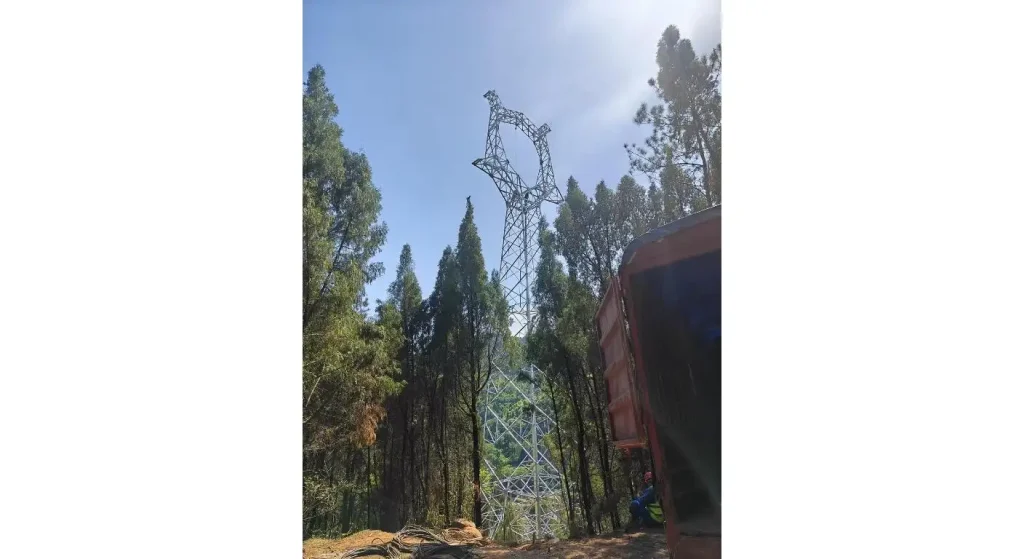
Develop a Useful Commissioning Baseline
Prior to handover, review the completed tower and report on all areas that can be reached where the coating is damaged, missing or has been repaired. Write down the number of the tower, where the incident occurred, date, photos and action taken. Maintain appropriate factory-created and repair records with this baseline.
A clear record of commissioning means that inspections will have more impact. If, after a couple of years, the spot shows signs of discoloration, the maintenance staff can verify if the spot was repaired when the handover took place or if it's a new condition that needs to be investigated.
| Record to retain | Source | How the asset team uses it |
| Tower number and exposure category | Project team | Prioritize future inspections |
| Coating inspection record | Manufacturer / inspector | Check the accepted factory condition |
| Delivery damage and approved repairs | Logistics / site team | Identify repaired areas at handover |
| Commissioning photographs | Site inspector | Compare later visual findings |
| Maintenance and repair history | Asset owner | Track repeat findings at one location |
Examine Areas Most Likely to be Missed (ALBM)
An inspection that is only conducted by taking pictures of tower silhouette may fail to detect damage in the area. Identify and arrange for safe access and viewing of connection areas, drainage points, attachments and ground level areas. Look for hidden sections of the structure (deposits or vegetation).
Note where and how much of a finding, don't just note, “rust present.” Identify staining, staining of the coating and visible corrosion of steel based on the owner's inspection procedure. A series of pictures taken from the same point of view provide a useful indication of the stability or change of a specific area.
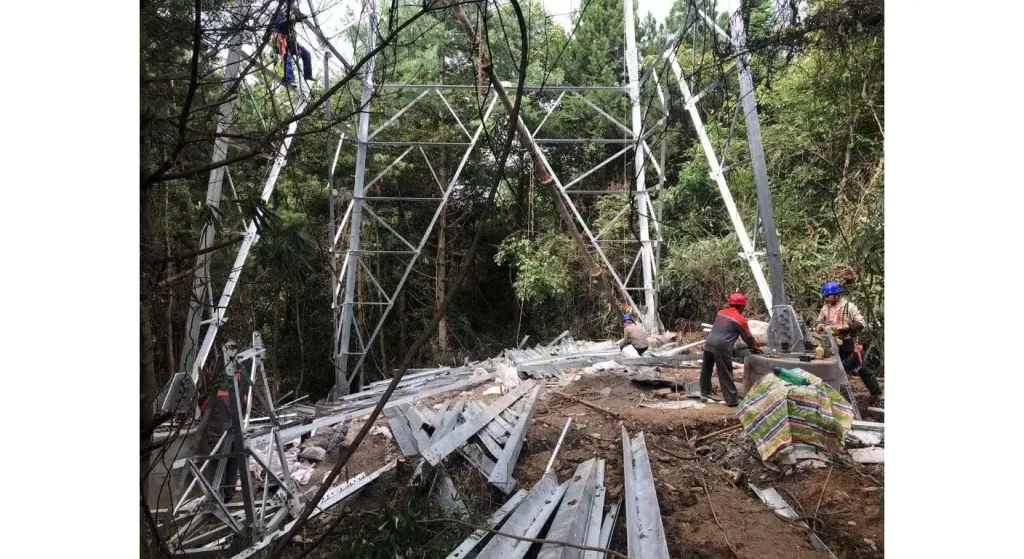
Make Repairs Traceable
If damage is found during inspection, see repair method approved for the project, and condition found. Document surface preparation, materials used, the amount of repair and to whom the repair was made. Depending on the size of the area affected by the damaged coating, the correct answer may vary, or even the extensive damage to the coating.
Maintain repair history with regard to tower number and part location. This will make it easier to spot repeat findings, and enable the owner to determine if a local repair is effective, or if a wider assessment is required.
Document Missions to reflect changes in Inspection Planning to Actual Conditions
The initial inspection schedule is a beginning point. Focus more inspections on tower locations where repeated damage was identified during the previous inspections, or where accessibility/exposure puts the towers at a greater risk for deterioration. On the other hand, regular documentation will give the owner an opportunity to see if the locations they are concentrating on are the correct ones.
In-house galvanizing and coating-thickness testing equipment is described on the About Us page of X.Y. Tower. When making an order, enquire what fabrication and coating records and site handover records are available to them which will assist the owner's asset register.
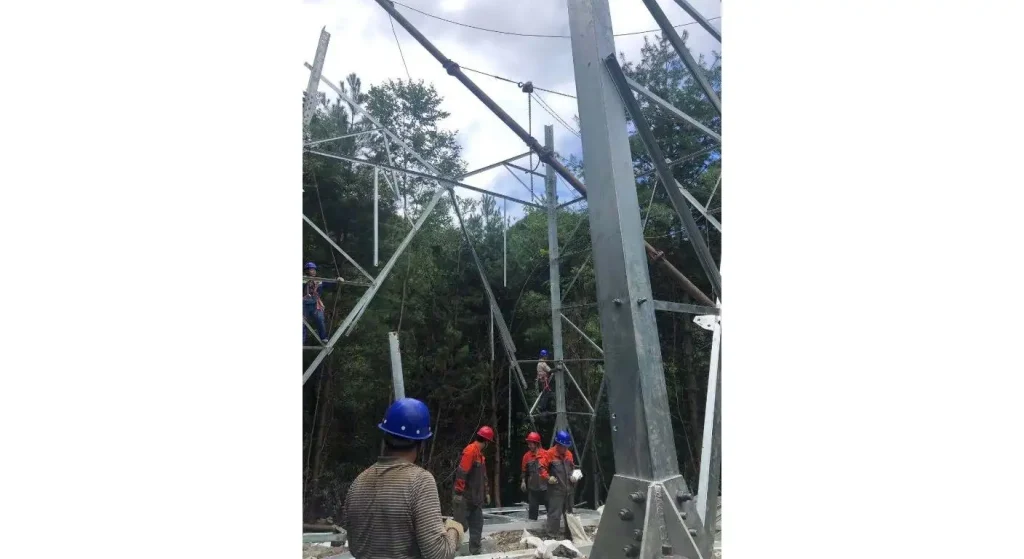
Put Lifecycle Requirements in the Supplier Enquiry
Include tower drawings with enquiry, with route exposure information and coating specification and inspection requirements. Determine what records need to be provided pre-shipment and what checks will be made post erection. Specify how damage and approved repair to be recorded.
The scope of design, construction and maintenance of transmission lines is described on the X.Y. Tower's transmission line services page. Determine what the responsibilities are for this contract job; don't take anything for granted in the scope of a tower supply order.
Conclusion
The anti-corrosion tower is worth based on the service life. Define a tangible protective finish, protect it during delivery/erection and develop a commissioning record for use by maintenance personnel. When a transmission tower has been galvanized in a difficult exposure environment, documentation of the inspection and repairs allows a factory galvanized tower to be a manageable asset.
FAQs
Q1. Does hot dip galvanisation make a tower maintenance free?
No. Periodically check for damage and changes in conditions in the installed structure as per the owner's maintenance plan.
Q2. Will the same tower coating be appropriate for all positions?
Not necessarily. Specify requirements in line with the exposure conditions and specifications of the project.
Q3. Why post erection inspections?
Finish which passed factory inspection can be damaged by transport and assembly. A post erection inspection also serves as a benchmark for further inspection.
Q4. What information is to be documented in the case of coating damage?
Write down the tower number, the component location, the extent of it, the date and pictures. Include the approved repair and acceptance record at the end of work.
Q5. What areas are of special concern for subsequent inspections?
Add connections, attachments, water-holding features and features covered by deposits or vegetatively overgrown features. Complete the safe access procedure of the asset owner.

Hey, I’m Chunjian Shu
"X.Y. Tower: Reliable, innovative solutions for high-quality towers and electrical equipment with professional service.
