
What Factors Affect Portable Telecom Tower Pricing and Shipping Costs?
2025-12-16
The cost of portable telecom towers is primarily driven by raw material prices (specifically steel and zinc for galvanization), the structural design complexity (height and wind load capacity), and customization requirements such as trailer specifications or telescoping mechanisms. Shipping costs are distinct from manufacturing costs and fluctuate based on global freight rates, container utilization (how efficiently the tower packs down), and the distance between the manufacturer and the installation site. Because portable towers often include specialized trailer components and hydraulic systems, they typically carry a higher price per meter compared to standard static lattice towers. Understanding these variables helps buyers accurately budget for total landed costs.
What Are the Primary Manufacturing Cost Drivers?
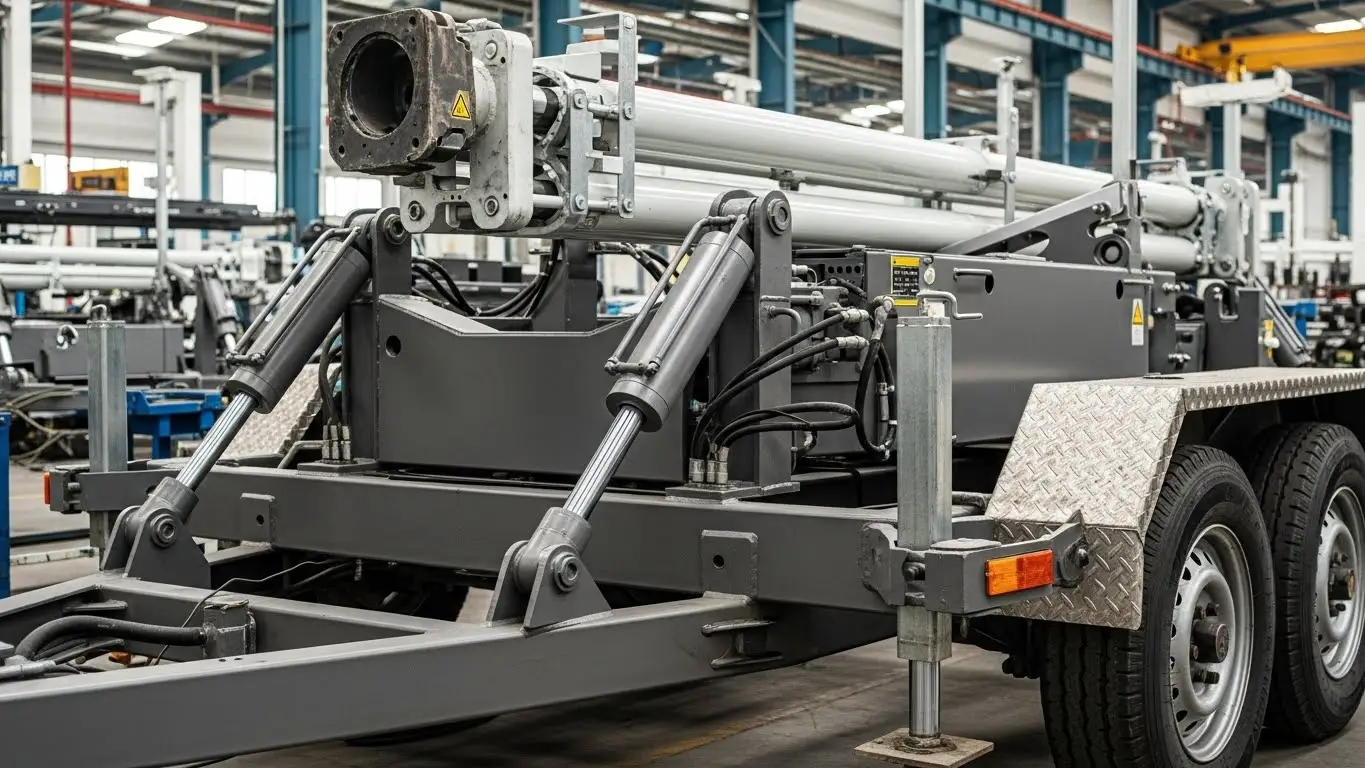
When budgeting for a tower, the manufacturing phase accounts for the largest portion of your expense. Several technical specifications directly influence the final invoice.
Raw Material Fluctuations
Steel constitutes the bulk of any tower's weight. Consequently, the global market price of steel is the single most significant factor in tower pricing. If steel prices spike, the base cost of the tower rises immediately. Similarly, the cost of zinc used for hot-dip galvanization—the critical process that prevents rust—can affect pricing.
Design and Wind Load Capacity
Not all towers are built the same. A tower designed to withstand 160 km/h winds requires more steel and robust engineering than one designed for 100 km/h winds. As the height increases, the base width and member sizes must increase to maintain stability, exponentially increasing the steel weight and cost. For a deeper dive into these specifications, review our telecom tower pricing buying guide.
Mobile vs. Static Components
Portable towers (often called COWs or Cells on Wheels) require integrated trailers, wheels, outriggers, and often hydraulic or electric telescoping systems. These mechanical components add complexity and cost compared to simple static lattice structures.
How Do Shipping and Logistics Impact the Total Price?
Shipping heavy steel structures requires strategic planning to minimize costs. Poor logistics planning can inflate your budget significantly.
Container Utilization
Efficiency is key. Manufacturers typically ship towers in "CKD" (Completely Knocked Down) form. The goal is to maximize the weight and volume inside a standard 40ft High Cube container. Portable towers are trickier because the trailer chassis is bulky. If a design is optimized to fit perfectly into a standard container without wasted space, the shipping cost per unit drops.
Freight Rates and Incoterms
Freight rates change weekly based on global supply chains. Additionally, the Incoterms (International Commercial Terms) you agree to—such as FOB (Free on Board) vs. CIF (Cost, Insurance, and Freight)—determine who pays for insurance and at what point the liability transfers from the seller to the buyer.
| Logistics Factor | Cost Impact | Tips for Reduction |
| Container Type | High | Use 40HQ containers over 20GP for better volume-to-price ratio. |
| Packing Method | Medium | Request nested packing to reduce volume. |
| Destination Port | Variable | Choose a major port to avoid inland trucking surcharges. |
How much does a mobile antenna tower cost to buy?
Prices varies significantly based on specifications. A simple guyed mast kit might cost a few thousand dollars, whereas a fully integrated heavy-duty Cells on Wheels (COW) unit with a hydraulic telescoping mast and reinforced trailer can range from $15,000 to over $50,000.
The wide range exists because "mobile tower" is a broad term. It covers everything from light-duty amateur radio towers to military-grade rapid deployment units. Key variables include the maximum extended height (e.g., 20m vs 40m) and the payload capacity (how many antennas it can hold). For a detailed breakdown of price ranges by type, read our article on how much a mobile antenna tower costs to buy.
How do I request a mobile tower quotation quickly?
To get an accurate price without back-and-forth delays, you must provide the manufacturer with specific technical data upfront.
Manufacturers need more than just "I need a tower." You should specify:
- Height: The desired height from ground to top.
- Wind Speed: The maximum wind speed the tower must survive (e.g., 160 km/h).
- Payload: The number and weight of antennas you intend to mount.
- Port of Discharge: Where the tower needs to be shipped.
Providing these details allows the engineering team to calculate the steel weight immediately. If you are ready to start this process, you can learn how to request a mobile tower quotation quickly here.
Hidden Costs You Should Not Ignore
Beyond the invoice for the tower and the shipping, several "hidden" costs can affect your final bottom line.
Import Duties and Taxes
Depending on your country's trade agreements with the manufacturing country (often China for steel structures), import tariffs can range from 0% to 25%. Always check the HS Code for telecom towers with your local customs broker before ordering.
Installation Accessories
While the main steel structure is included, consider if you need:
- Aviation obstruction lights
- Lightning rods and grounding kits
- Feeder cable clamps
Frequently Asked Questions
Does the type of galvanization affect the price?
Yes. Hot-dip galvanization (HDG) is the industry standard for longevity and is more expensive than cold galvanization or painting. However, HDG is essential for preventing rust and ensuring a 20+ year lifespan, making it cheaper in the long run.
Can I customize the trailer color for portable towers?
Yes, most manufacturers offer customization for the trailer paint. While the tower mast is usually galvanized silver, the trailer body can be painted to match company branding. This may incur a small surcharge for custom paint mixing.
Is it cheaper to buy one tower or a full container?
Buying a full container is significantly cheaper per unit. Shipping a single tower as LCL (Less than Container Load) exposes you to higher freight rates and potential damage during consolidation. Filling a container spreads the shipping cost across multiple units.
How long does manufacturing take?
Standard lead times are typically 15 to 30 days depending on the factory's current workload and the complexity of the design. Custom portable towers may take longer due to the integration of mechanical parts.
Key Takeaways
- Steel Prices Rule: The market price of steel and zinc is the primary driver of the tower's base cost.
- Specs Matter: Higher wind ratings and heavier payloads require more steel, increasing the price.
- Optimize Logistics: Shipping "completely knocked down" (CKD) in full containers offers the best value per unit.
- Define Needs Early: Providing clear wind speed and height requirements speeds up the quotation process.
Conclusion
The price of a portable telecom tower is a sum of raw materials, engineering complexity, and logistical realities. By understanding these factors—specifically the impact of wind load ratings and container optimization—you can make smarter purchasing decisions.
If you are looking for a reliable manufacturer who understands both quality engineering and efficient logistics, contact XY Tower today to discuss your project requirements.

Hey, I’m Chunjian Shu
"X.Y. Tower: Reliable, innovative solutions for high-quality towers and electrical equipment with professional service.
