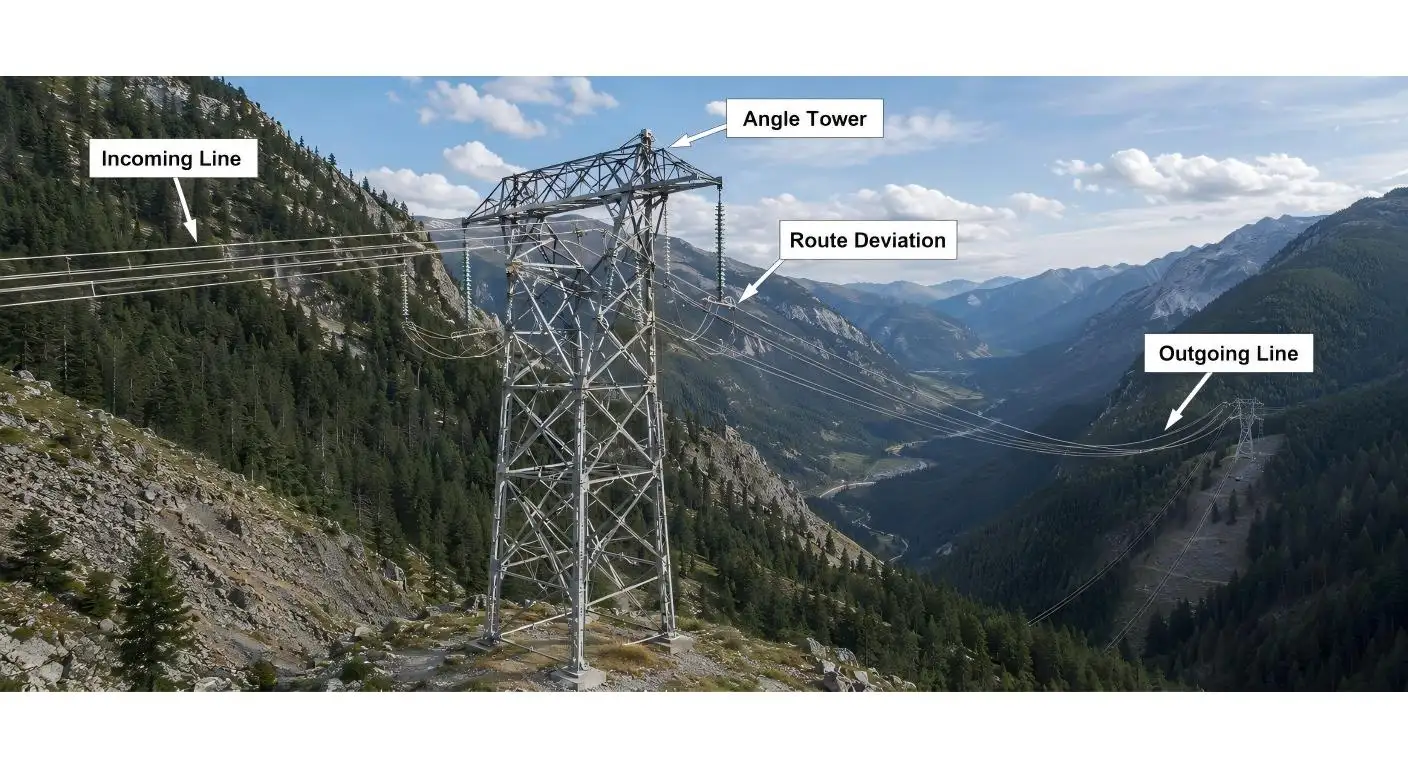
A “straight” transmission line is reasonably readily interpretable from the surface. The conductors go in a tower then come out in almost the same direction, for the next span. It ...
An angle steel tower does not actually start from the starting point of a workshop in the process of fabrication. It starts at a specified point on a transmission path. ...
The angle steel tower is not started from the workshop. It starts on the route of a transmission line at a point marked and designated. There, the engineers already know ...
A lattice tower is a steel framework structure built from interconnected metal sections that form a rigid, open-frame design. Engineers use this tower type to support power transmission lines, telecom ...
The structure of a substation can be designed using either concrete or steel, with configurations such as portal frames and π-shaped structures. The choice also depends on whether the equipment ...
A Monopole Structure can refer to different things depending on the field of study, ranging from physics and electromagnetism to materials science and even abstract mathematics. Each of these contexts ...
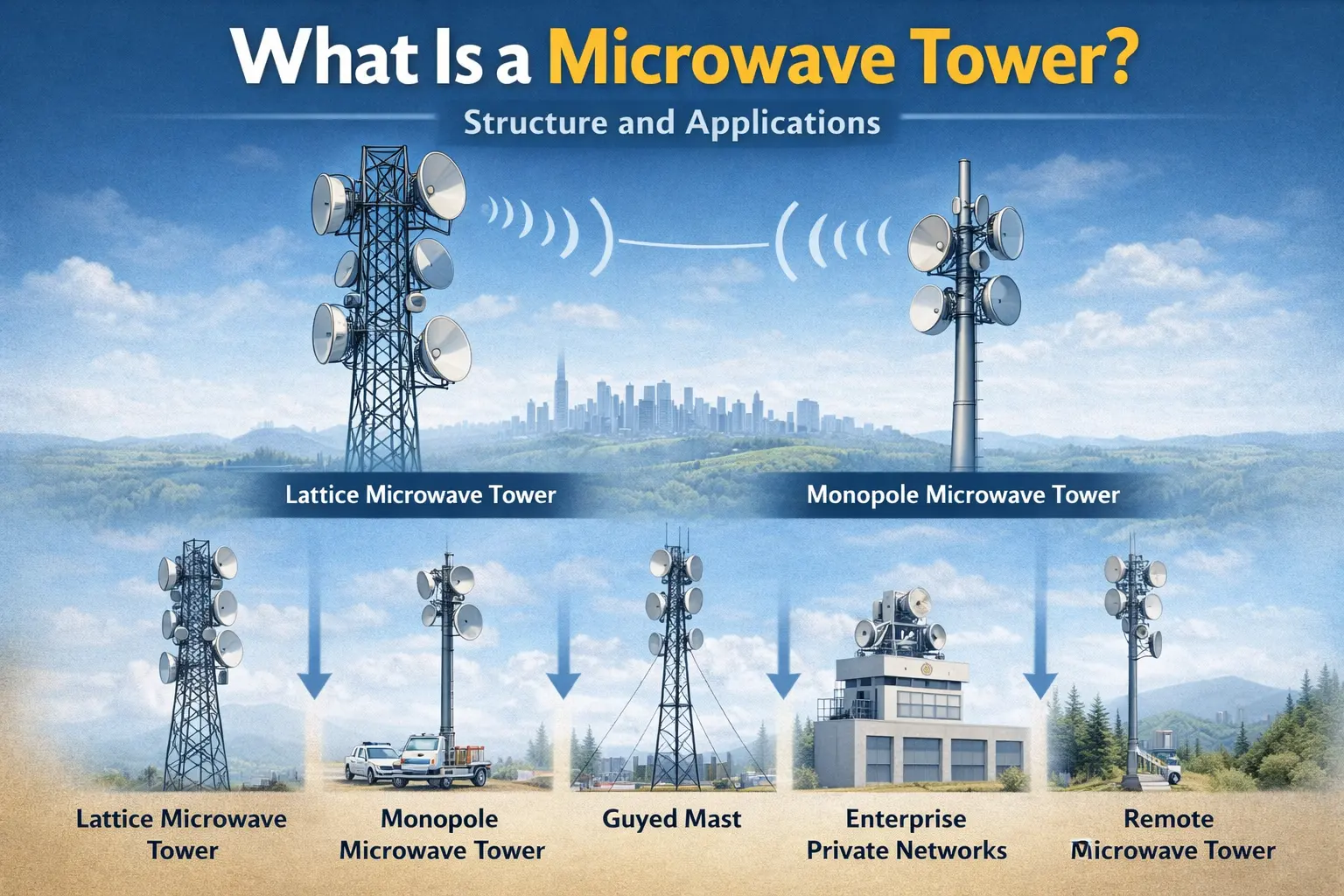
In the world of telecommunications, towers are integral components of the infrastructure that enables wireless communication systems. These towers come in various shapes, sizes, and designs, depending on the needs ...
In the world of electrical engineering and telecommunications, lightning towers play a crucial role in protecting structures and equipment from the potentially disastrous effects of lightning strikes. These towers are ...
Transmission towers are critical components of electrical grids, supporting overhead power lines that carry electricity over long distances. These towers help maintain a steady flow of electricity from power plants ...
Δ